Kearns Foundation Pros
Wall Stabilization in Kearns, UT
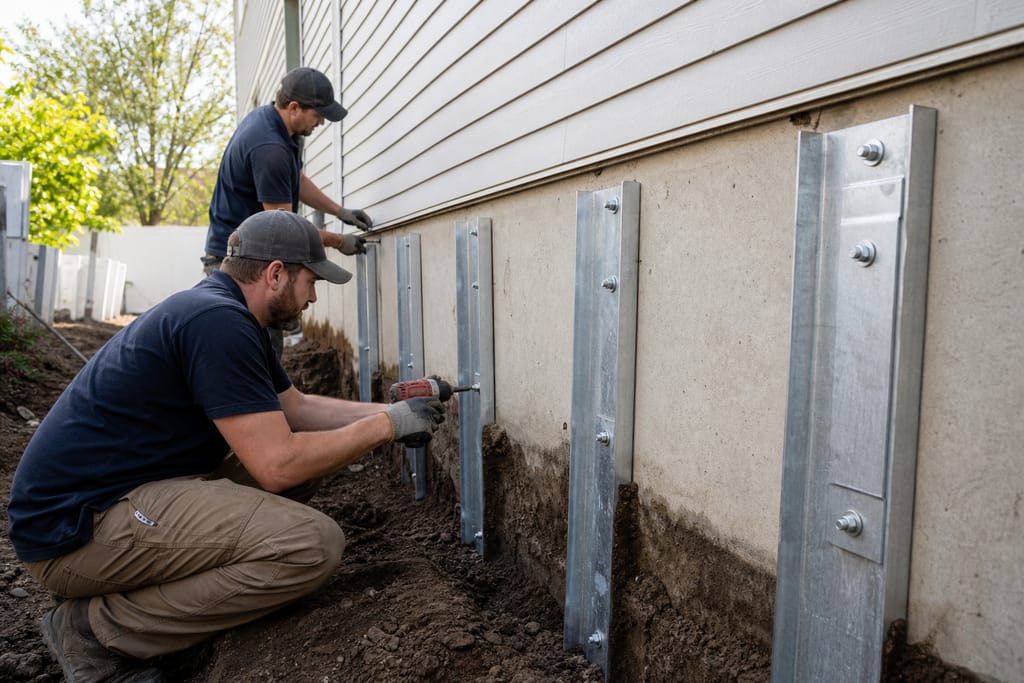
Steel wall anchors and carbon fiber straps stabilize bowing basement walls in Kearns, UT. Stop spring snowmelt pressure. Free estimate.
Serving Kearns and nearby communities.
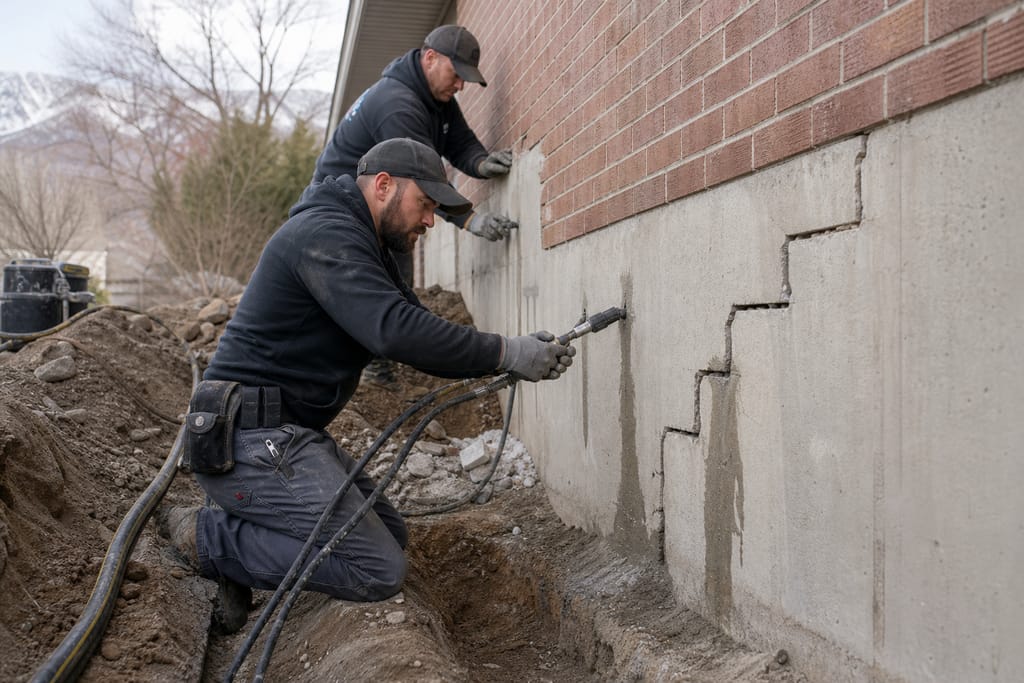
Why does a basement wall start bowing inward after a heavy snow year? Hydrostatic pressure from spring snowmelt pushes against basement walls across the Salt Lake Valley, and original 1950s-60s basement walls in Kearns are feeling decades of that cycle. Wall stabilization installs anchors, braces, or carbon fiber reinforcement to stop the inward movement before it becomes a structural failure.
Kearns Foundation Pros assesses bow severity first, measuring how far the wall has moved out of plumb before recommending a reinforcement method. A wall with minor bowing often needs a different solution than one leaning several inches.
Materials
Materials and methods for Wall Stabilization
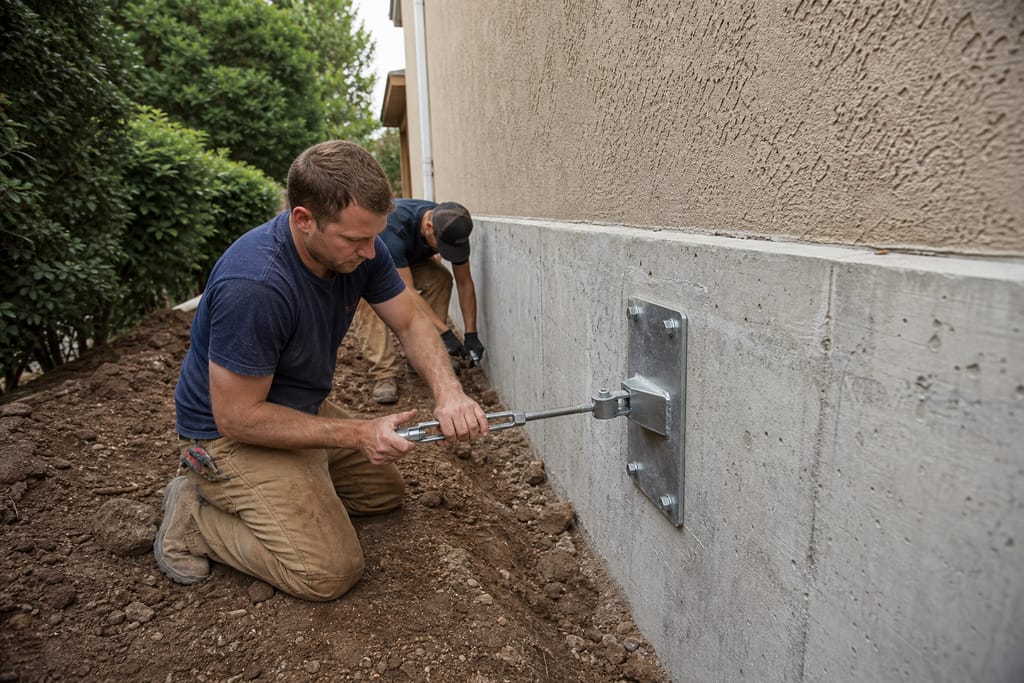
Wall Anchors
Installed in the yard to counteract inward wall pressure from saturated spring soil.
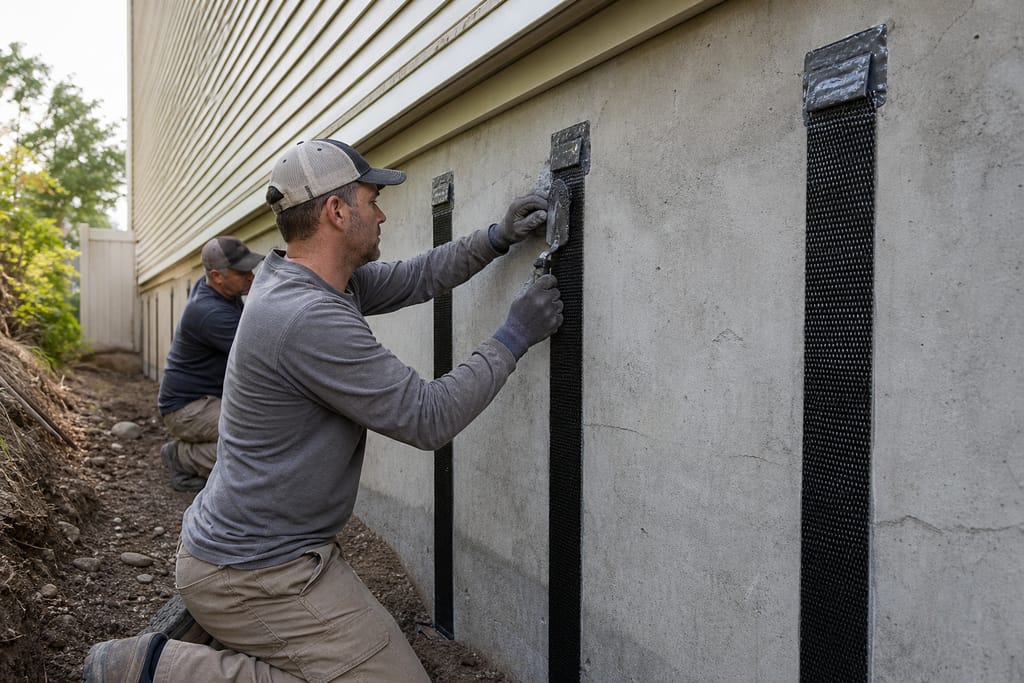
Carbon Fiber Straps
Reinforce walls without requiring extensive excavation, a good fit for finished basements.
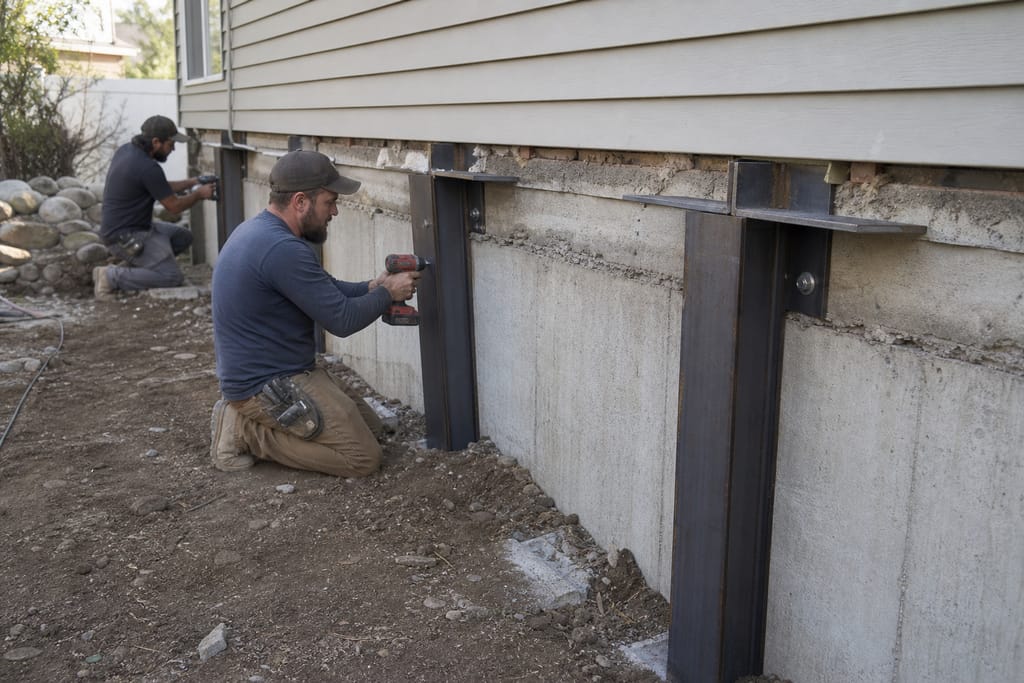
Steel I-Beams
Provide rigid bracing against lateral wall movement in more severe bowing cases.
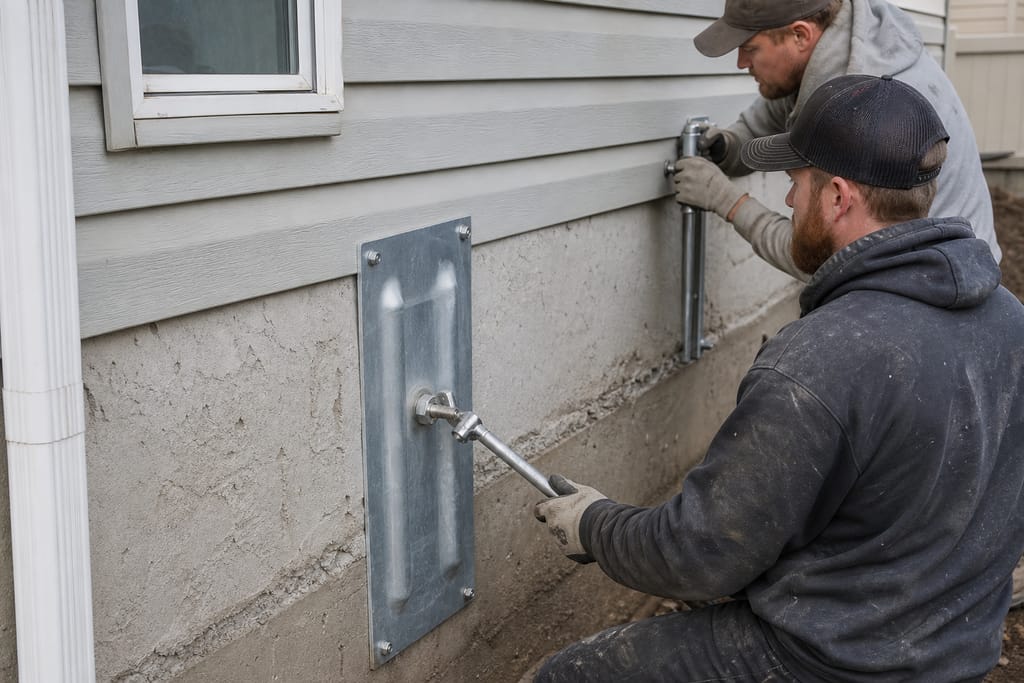
Wall Plates
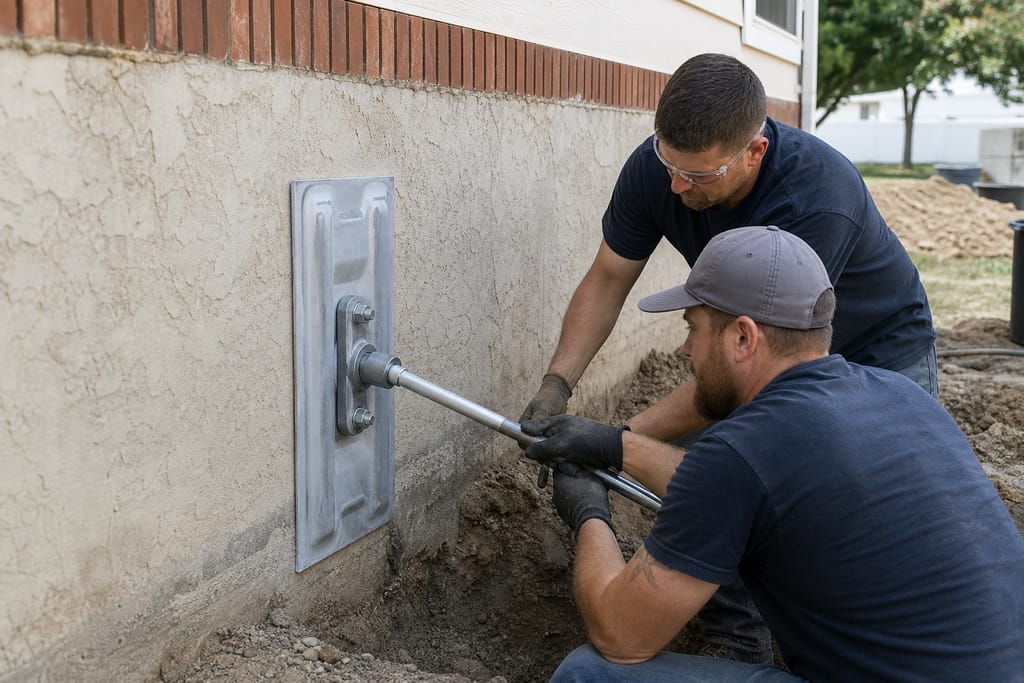
Distribute anchor tension evenly across the wall surface so pressure doesn't concentrate at one point.
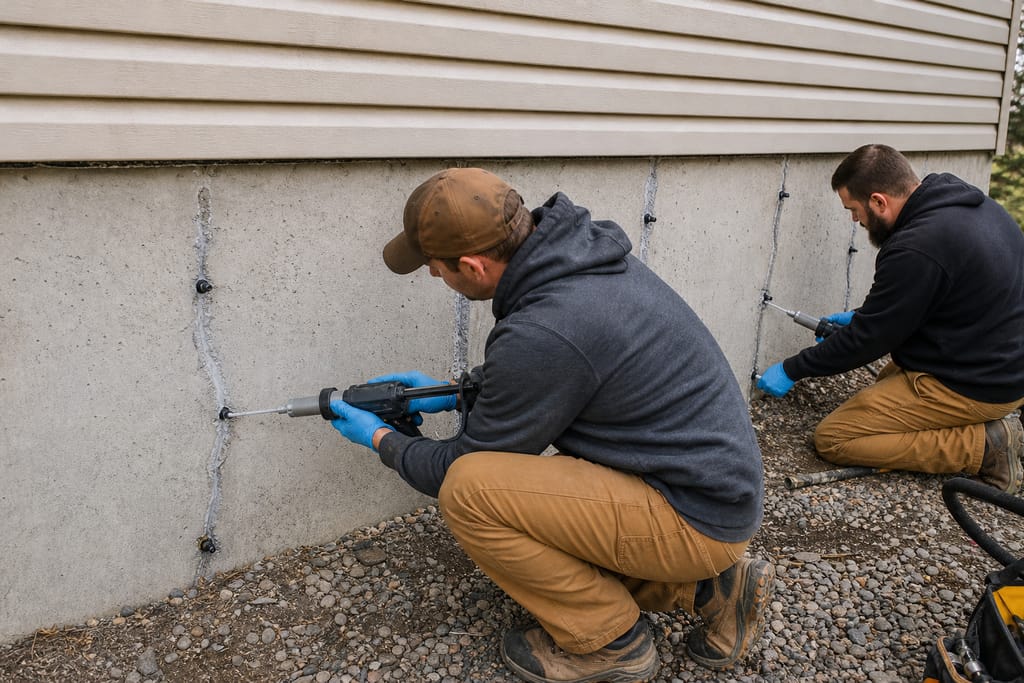
Epoxy Crack Filler
Seals cracks before reinforcement materials are applied so moisture doesn't undermine the repair.
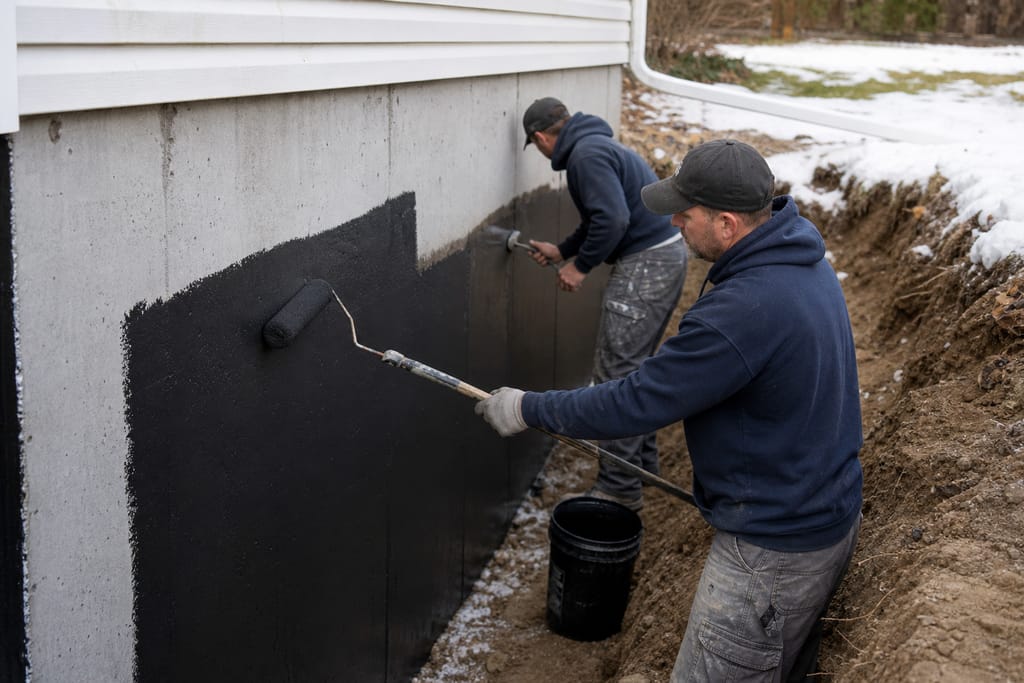
Moisture Barrier Coating
Helps protect reinforced walls from the valley's recurring freeze-thaw moisture.
Questions on materials?
Get a Free EstimateHow it works
How our Wall Stabilization process works
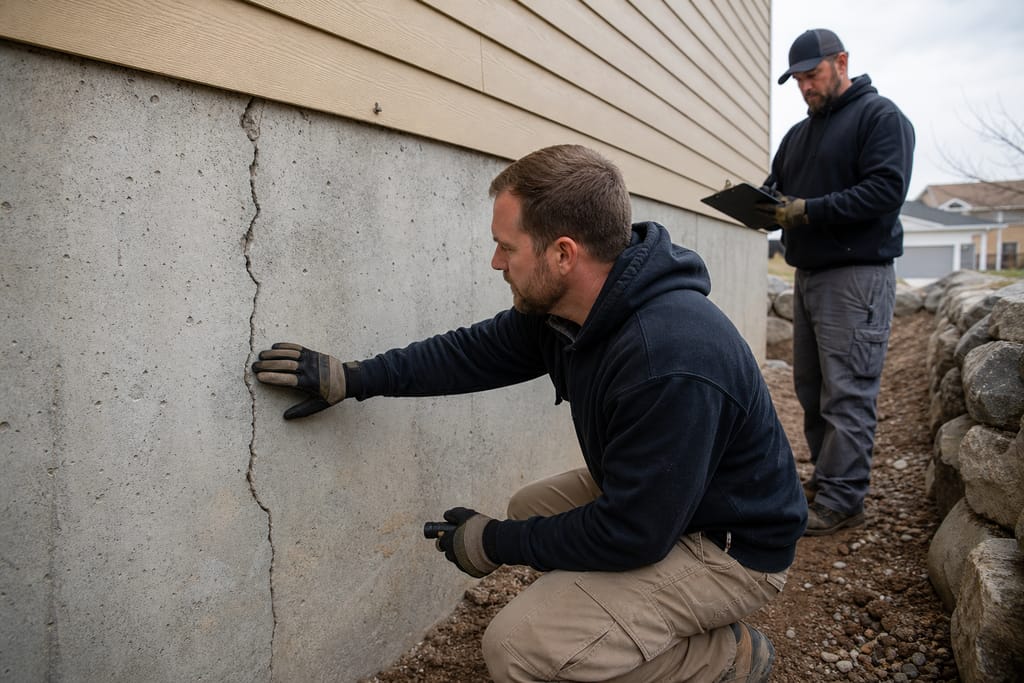 Step 1
Wall Inspection
Walls are examined for bowing, cracking, or leaning indicators.
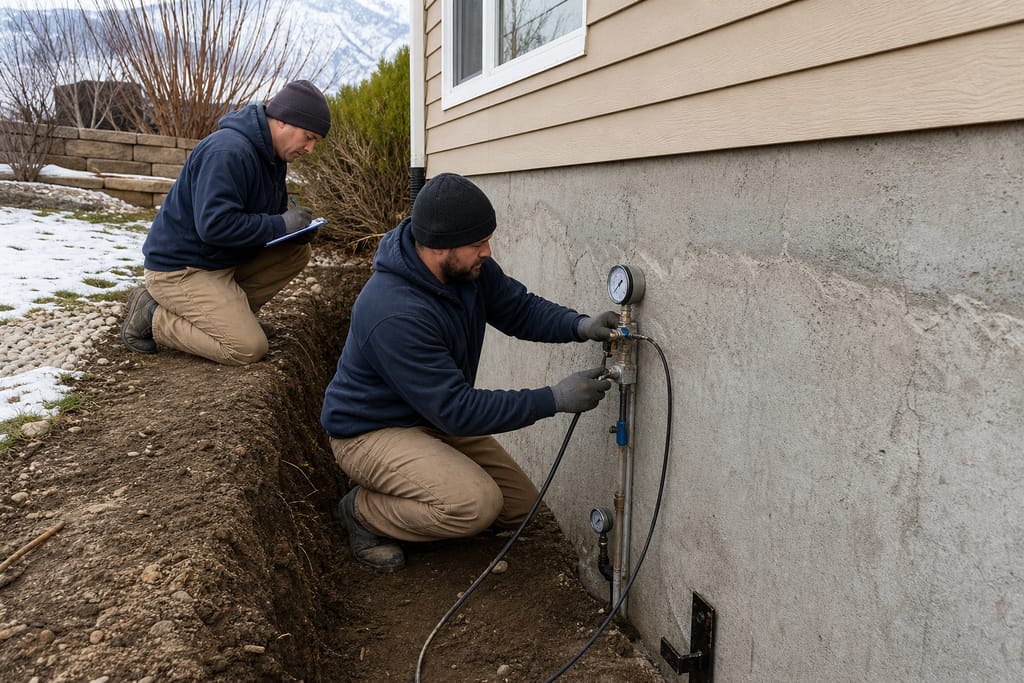 Step 2
Pressure Assessment
Soil and hydrostatic pressure contributing to wall movement are evaluated.
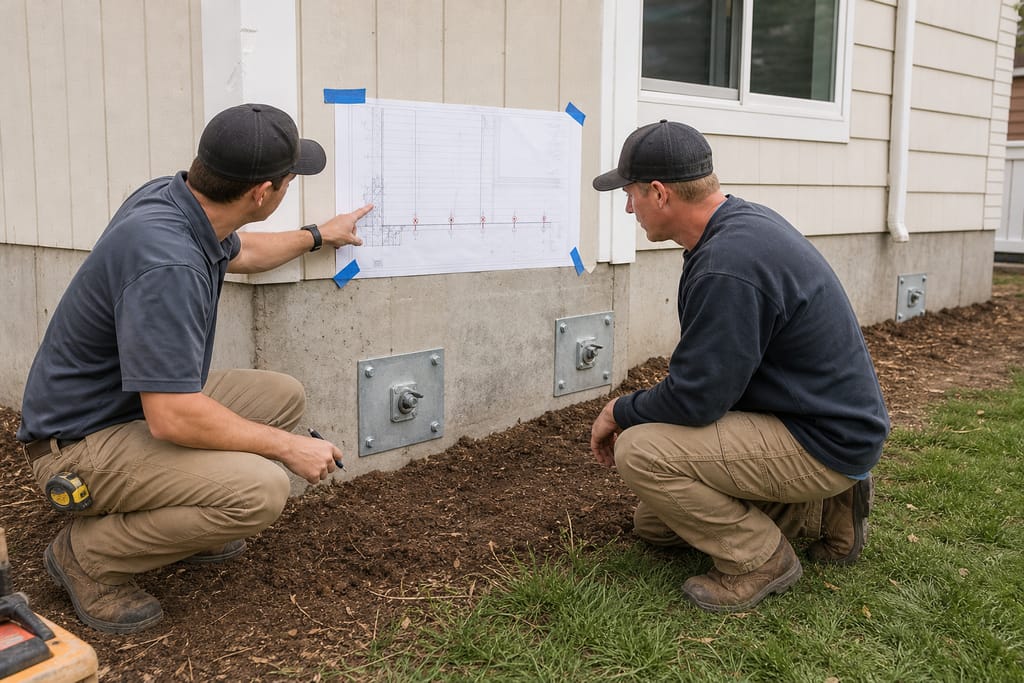 Step 3
Reinforcement Planning
A stabilization method is selected based on wall condition and severity.
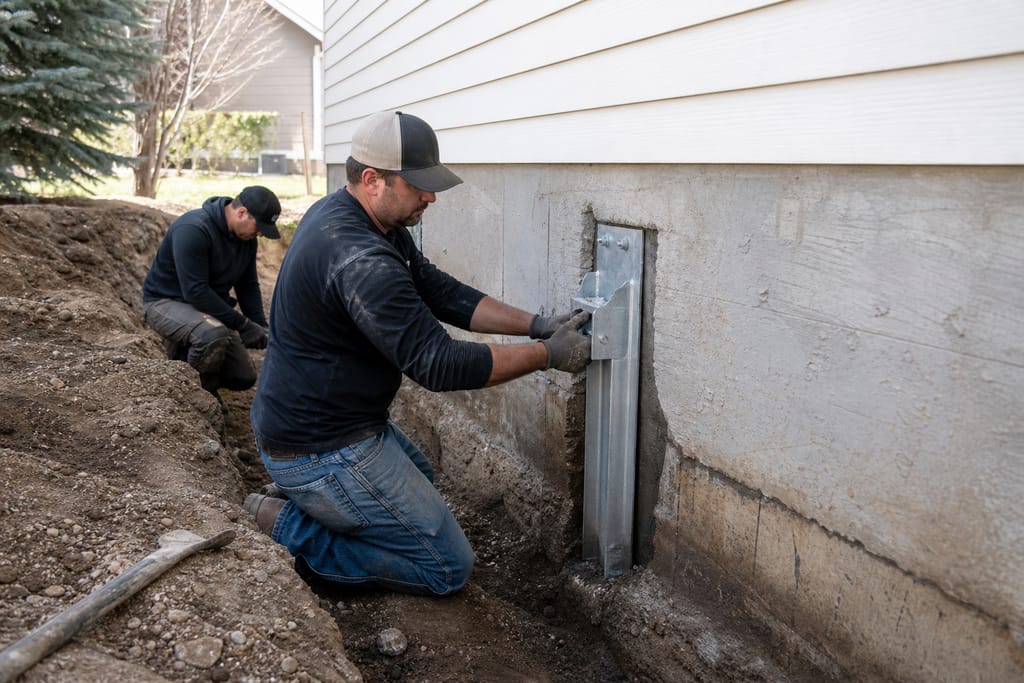 Step 4
Anchor or Brace Installation
Support systems are installed to halt further wall movement.
 Step 5
Tensioning Adjustment
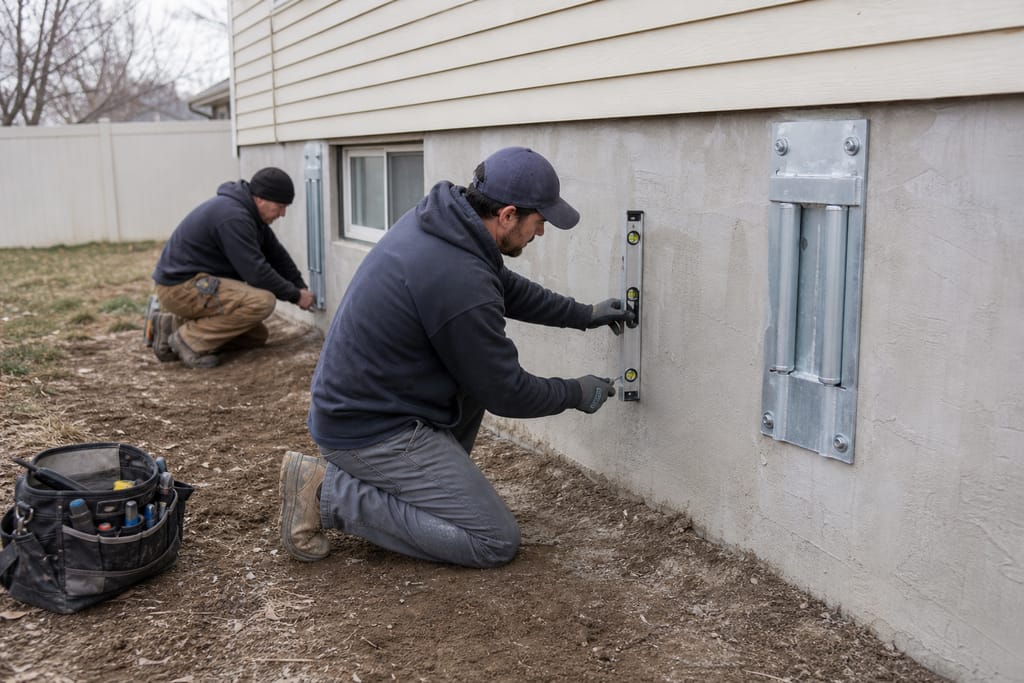
Anchors or braces are tightened to gradually stabilize the wall.
 Step 6
Final Inspection
The wall is rechecked to confirm stability and proper installation.
Timeline
How long does wall stabilization take?
Most jobs finish in a day or two once the plan is set, though anchors sometimes need a return visit for final tensioning.
- 01
Consult and bow measurement
same day - 02
Permit filing
1–2 weeksfor structural work
- 03
Anchor or brace installation
1–2 days - 04
Follow-up tensioning
1 visit, weeks later once soil settles
Need a schedule that fits?
Get a Free EstimateWhat's included
What's included with Wall Stabilization
Typically included: wall inspection, anchor or strap installation, initial tensioning, interior crack sealing where needed.
Optional: exterior grading or drainage correction to reduce future hydrostatic pressure.
Customer prep: clear the basement wall area of stored items and finished materials if accessible.
Want a clearer scope?
Get a Free EstimateCodes & permits
Permits and codes for Wall Stabilization
Wall stabilization is structural work, and Salt Lake County generally requires a permit since Kearns is unincorporated. Verify details with the county before work starts.
| Typically needs a permit | Often no permit |
|---|---|
| Wall anchor or steel brace installation affecting structural walls | Initial wall inspection and pressure assessment visits |
| Any work that alters load-bearing basement walls | — |
Need help with permits?
Get a Free EstimateDIY vs pro
DIY vs hiring a pro for Wall Stabilization
| DIY | Hire a pro |
|---|---|
| Watching for new bowing or cracking and tracking it with photos over a season | Installing any anchor, brace, or carbon fiber system, since improper tensioning can worsen a bow |
| — | Diagnosing whether a wall needs anchors, straps, or full underpinning |
| — | Any permit filing for the structural work |
Not sure DIY vs pro?
Get a Free EstimateWhen to call
When to call for Wall Stabilization
Call if a basement wall shows visible bowing, horizontal cracking, or has moved noticeably after a heavy snowmelt season. Waiting usually means the pressure keeps building. Get a free estimate to measure the bow before it gets worse.
Seeing warning signs?
Get a Free EstimateFAQs
Wall Stabilization FAQs
How do I know if my wall is bowing or just cracked?
A bowing wall curves inward when you check it with a level or straightedge, while a crack without curvature is usually a separate settlement issue.
Can a bowed wall be straightened back to plumb?
Some bow can be reduced over time with gradual anchor tensioning, though severely bowed walls may only be stabilized rather than fully straightened.
Will carbon fiber straps work on a finished basement wall?
Carbon fiber straps install with minimal demolition, making them a common choice when drywall or finishing is already in place.
What causes a wall to bow in the first place?
Saturated soil from spring snowmelt and seasonal rain pushes against the wall, and older basement walls built with less reinforcement show it first.
Is a slightly bowed wall urgent?
A small bow is worth monitoring and addressing soon, since the pressure causing it typically doesn't go away on its own.
How much movement is too much before calling a pro?
Any visible bow beyond a slight hairline deflection warrants an inspection, especially if it's changed since last season.
More services
Other Foundation Repair services
Foundation Repair
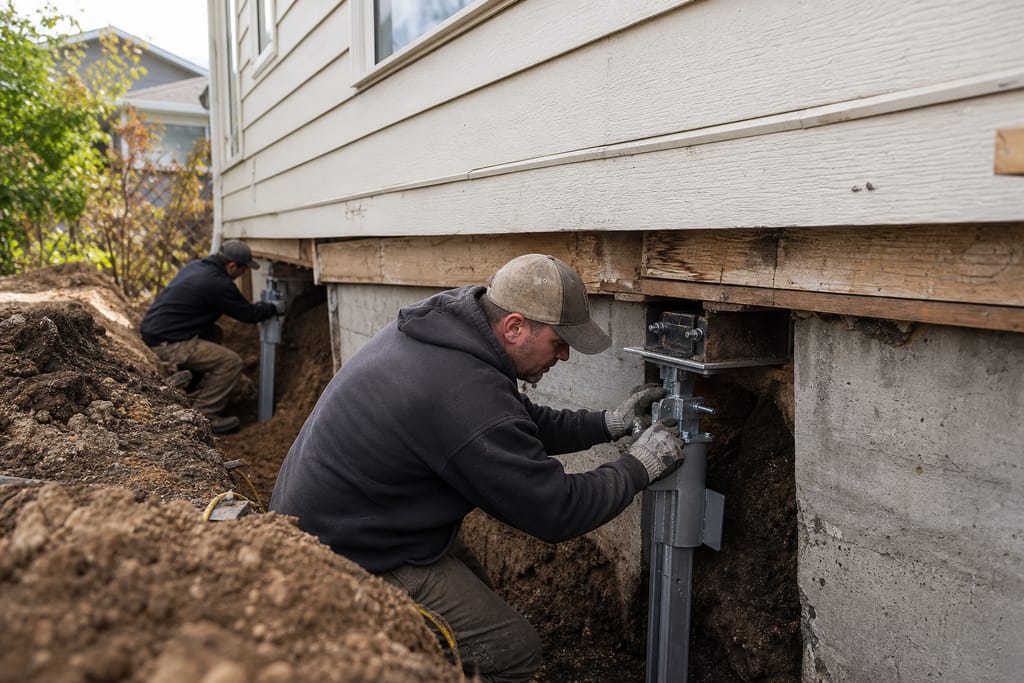
Foundation repair in Kearns using piering, crack injection, and wall stabilization, with free estimates and written scopes.
Piering and Underpinning
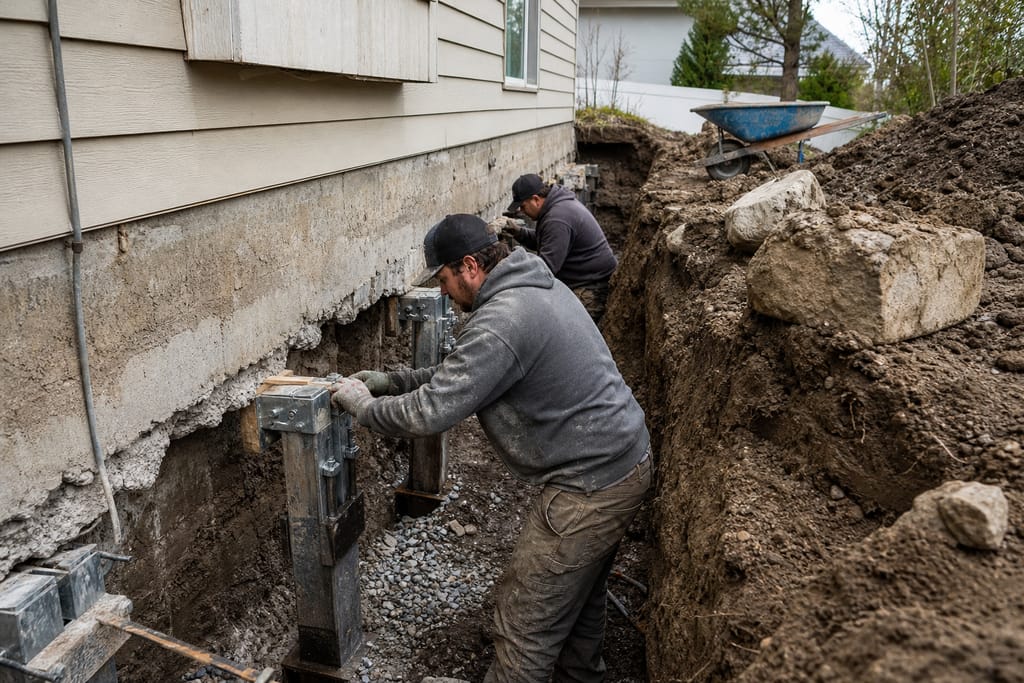
Steel and helical pier underpinning in Kearns, UT stops ongoing settlement in older homes. Free estimate on deep foundation support.
Foundation Crack Repair
Epoxy and polyurethane crack injection in Kearns, UT seals structural and water-entry cracks in aging foundations. Free estimate.
Ask about Wall Stabilization
Tell us about the project and how to reach you.